57 Best Low Taper Fade on the Sides Ideas for Clean, Sharp Looks

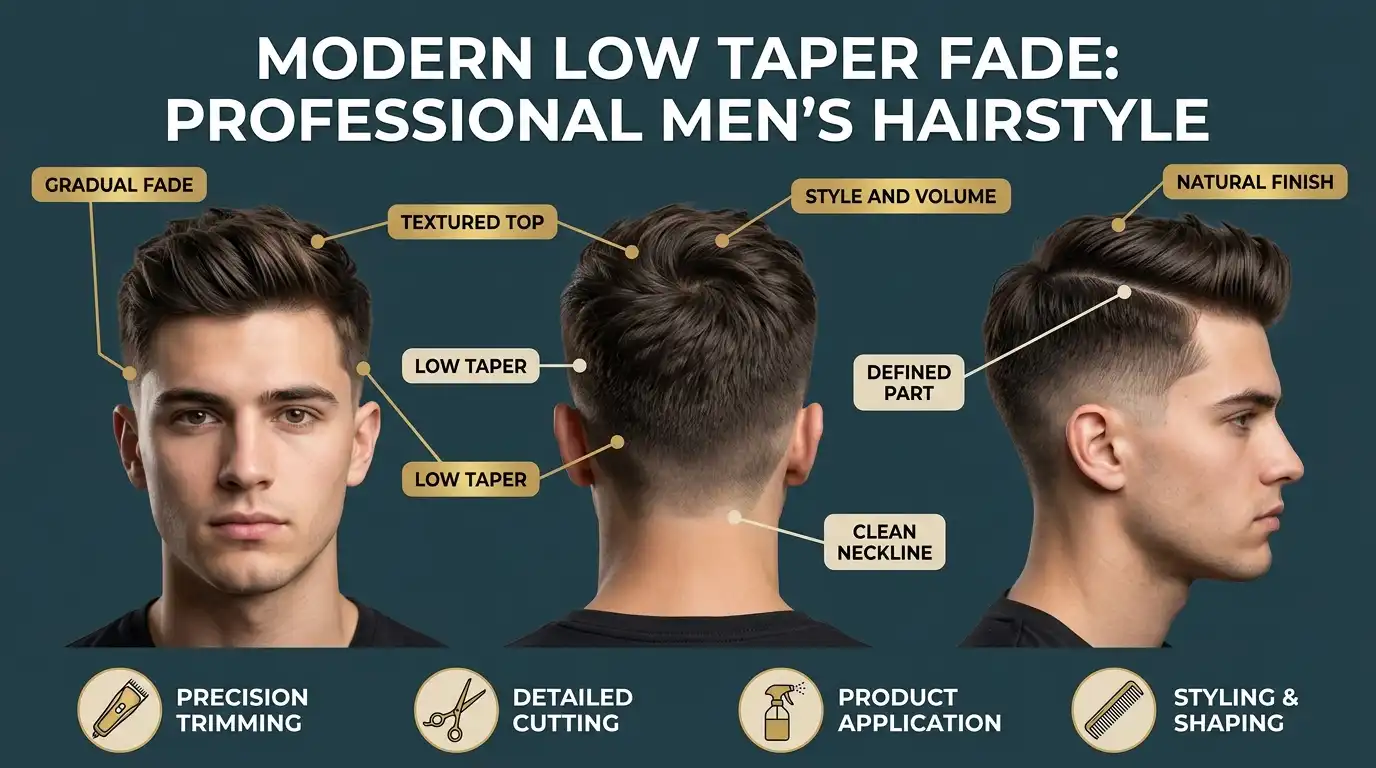
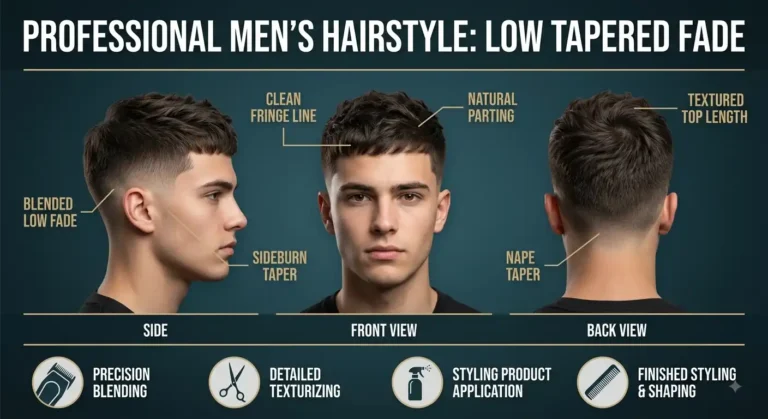
A low taper fade on the sides keeps a little more hair around the temples and ears, then blends it short at the neckline. It is the softest fade you can ask for, so it fits the office, the classroom and the weekend. Pick one of the 57 ideas below, then use the barber script to get it right the first time.
Most men walk into the shop with a photo and a vague “keep it low.” That is where cuts go wrong. Below you will find real guard numbers, simple styling steps and clear words to use in the chair.
Quick Key Takeaways: Top 5 Styles at a Glance
Short on time? These five looks are the safest starting points. Each one pairs a low blend with a top that is easy to manage.
| Style | Top Length | Typical Guard Range | Best For | Effort Level |
| Classic Business Taper (#1) | Short to medium | #1 to #3 | Office and interviews | Low |
| Textured Crop (#11) | Short | #1 to #3 | Straight, thick hair | Low |
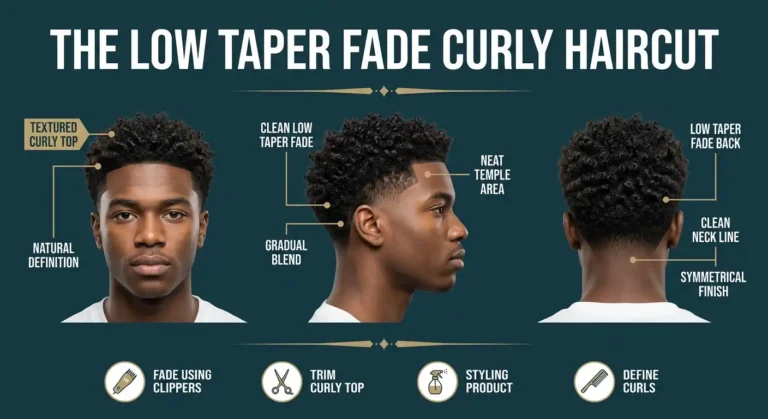
| Curly Top Low Taper (#21) | Medium | #1 to #3 | Curly and wavy hair | Medium |
| Low Taper Buzz Cut (#31) | Very short | #0 to #4 | Busy mornings | Very low |
| Pompadour with Taper (#40) | Long | #1 to #3 | Bold, polished looks | High |
Classic and Professional Low Taper Looks
These cuts keep things neat and calm. They work well when you want to look sharp without drawing attention to the fade itself.
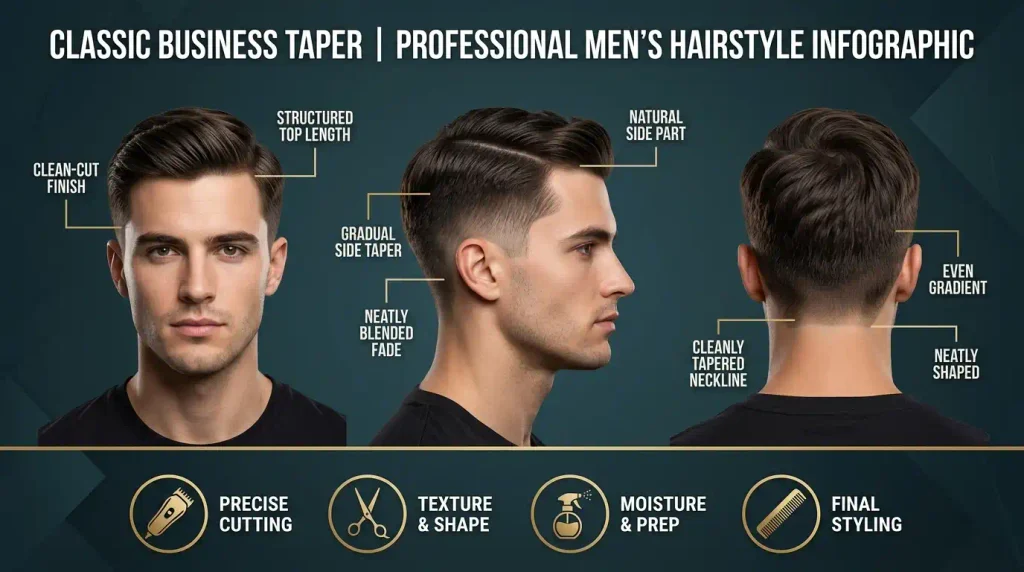
1. Classic Business Taper
Picture a short, combed top sitting above a clean #1 at the nape that grows to a #2 or #3 near the ears. Nobody will question it in a meeting. Straight and wavy hair both behave well here. A light cream or pomade keeps flyaways down without shine.
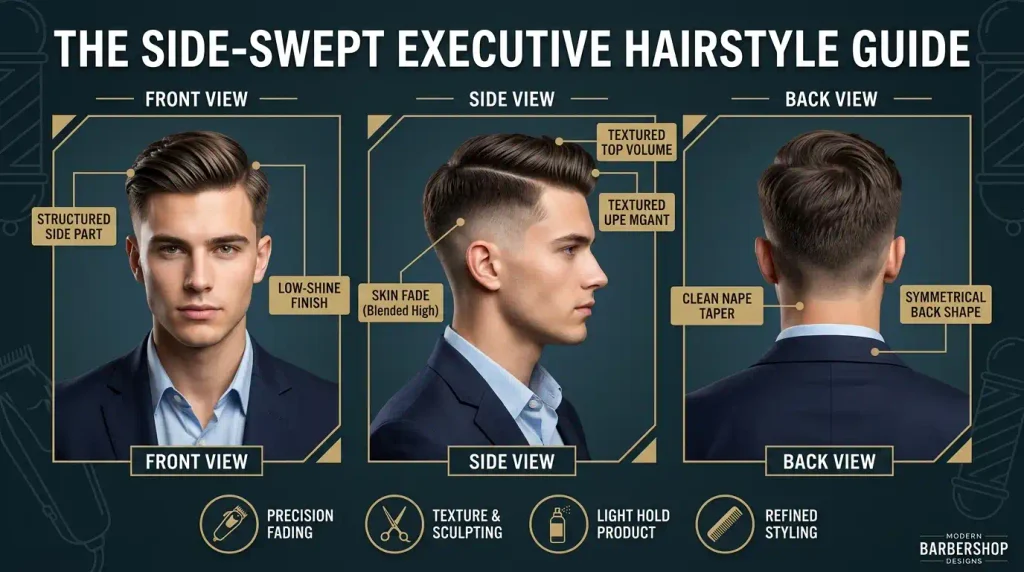
2. Side-Swept Executive
Here the top is swept gently across the forehead with a soft part. The low taper keeps the sides slim so the sweep looks intentional. It suits oval and square faces. Blow-dry the front first, then finish with a small dab of matte paste.
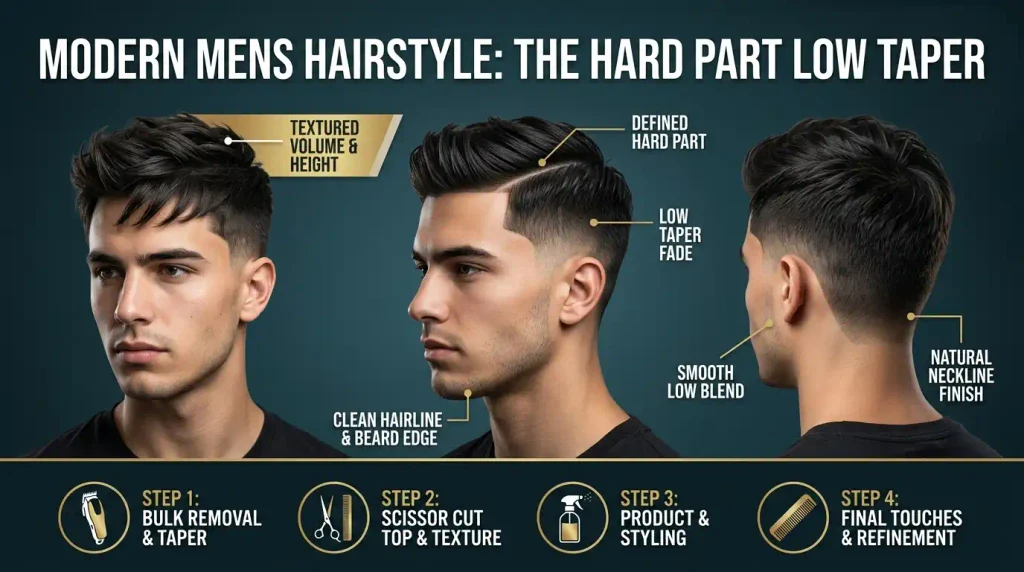
3. Hard Part Low Taper
A thin razor-shaved line marks the part, and the taper stays soft below it. The contrast looks crisp but not loud. Medium-thick straight hair holds the shape best. Comb it wet with a firm-hold pomade and let it set before you head out.
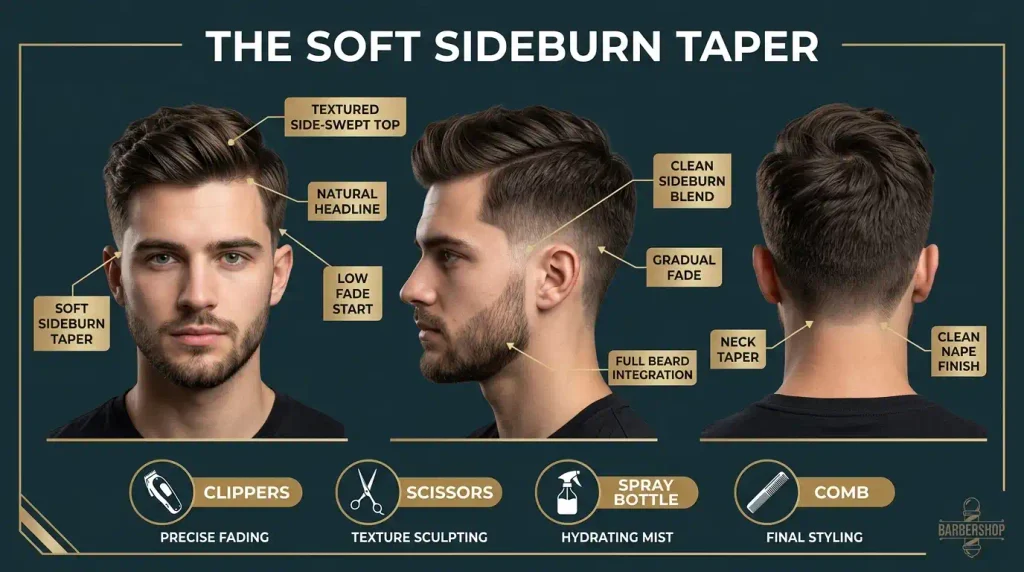
4. Soft Sideburn Taper
Some men only want a tidy outline. In this version the taper stays light around the ears and sideburns, leaving more length on the sides. It grows out gracefully, which stretches the time between visits. A little sea salt spray adds body to the top.
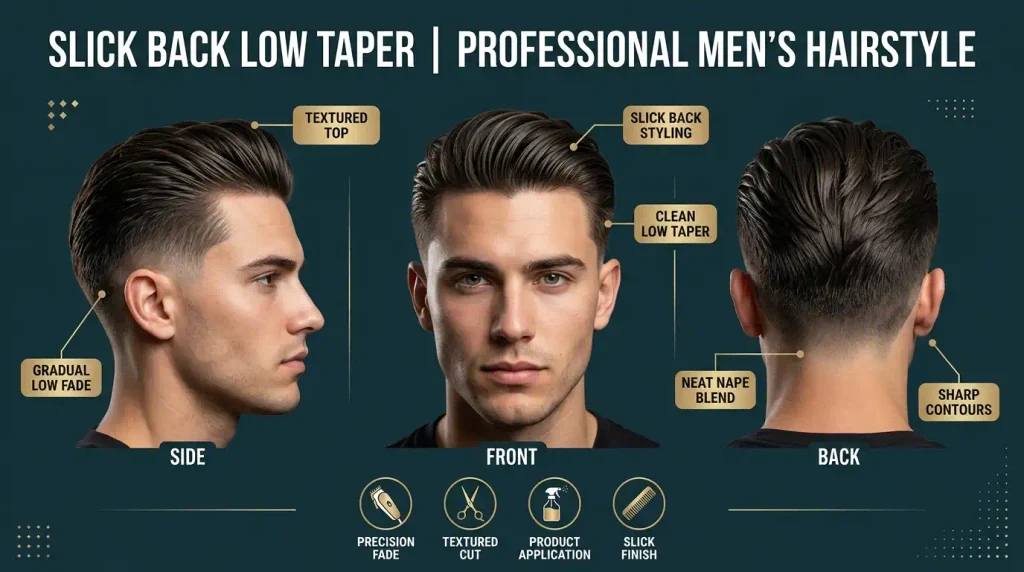
5. Slick Back Low Taper
Longer hair on top gets combed straight back while the sides stay trimmed close. The result feels formal and a bit retro. Thick, straight or wavy hair works best. Apply a water-based pomade to damp hair, then comb it through in one direction.
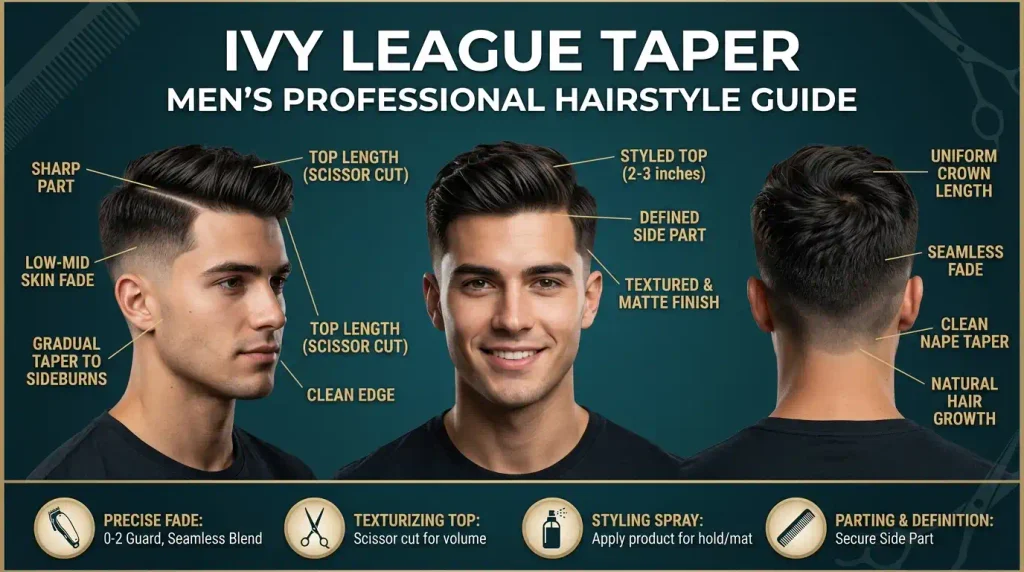
6. Ivy League Taper
Think of a longer crew cut with a side part, built on a low taper. The top is roughly finger length, trimmed with scissors rather than clippers. It flatters round and oval faces. Use a touch of light clay so the front lies neatly.
7. Comb Over Low Taper
A deeper side part sends the hair across in a smooth, even sweep. Because the taper starts low, the comb-over still looks natural. Fine hair gains fullness from a little volumizing powder. Dry it with a brush to lock in the direction.

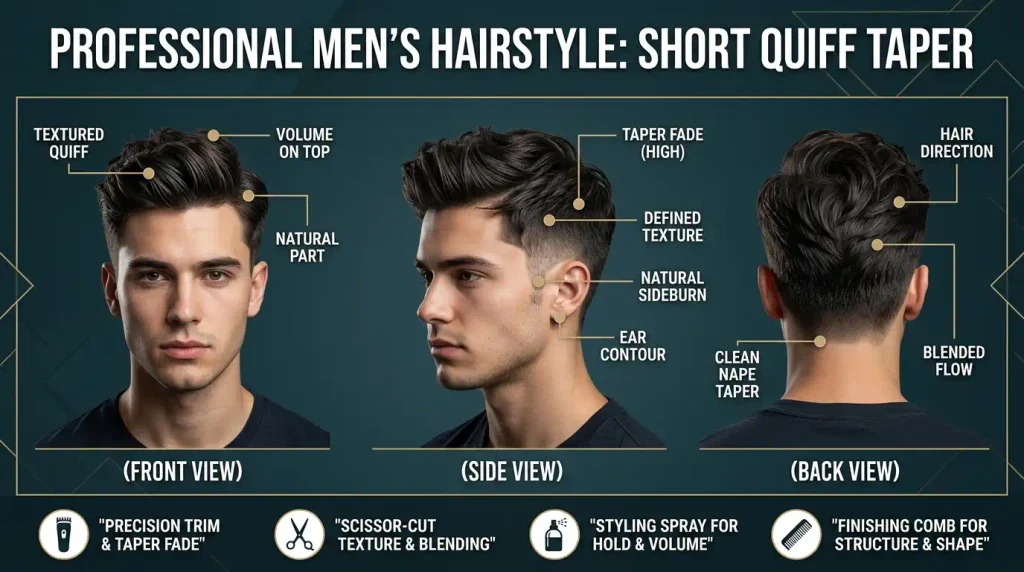
8. Short Quiff Taper
The front lifts upward just a little, and the sides taper cleanly beneath it. Unlike a tall pompadour, this one stays office-friendly. Medium-density hair gives the best lift. Blow-dry upward, then set with a flexible-hold clay.
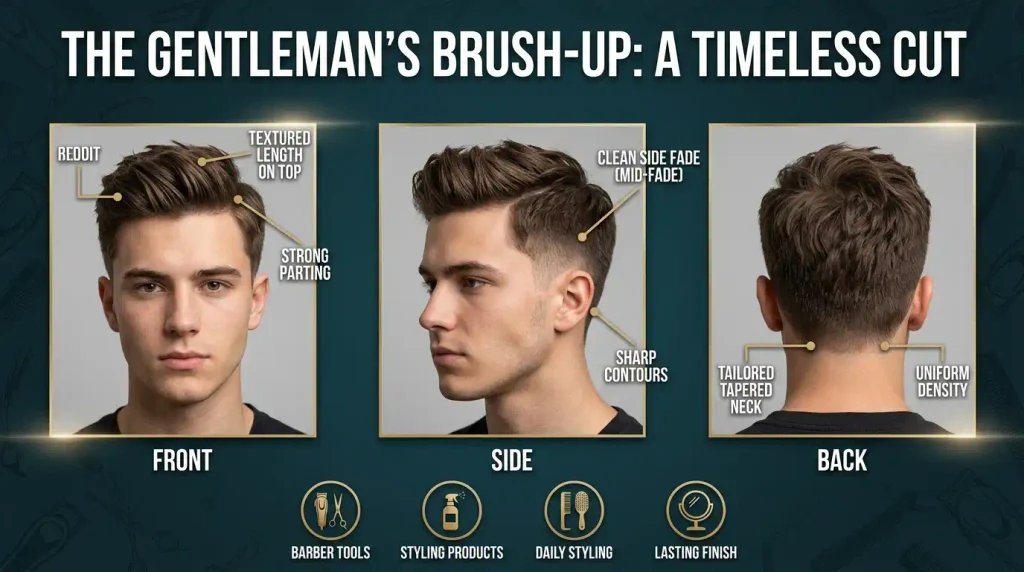
9. Gentleman’s Brush-Up
Hair on top is brushed up and back, leaving a soft, natural wave at the front. The low taper trims the bulk without cutting into the length. Wavy hair does this effortlessly. A pea-sized amount of light paste is plenty.
10. Sleek Wet-Look Taper
A glossy, damp finish makes this cut ideal for evenings and events. Keep the top about two to three inches long so it can lie flat. Straight, fine hair shines here. Reach for a high-shine gel, then comb it once and stop.

Textured Tops Paired with a Low Taper
Texture makes a short cut feel alive. The low blend stays quiet on the sides while the top does all the talking.
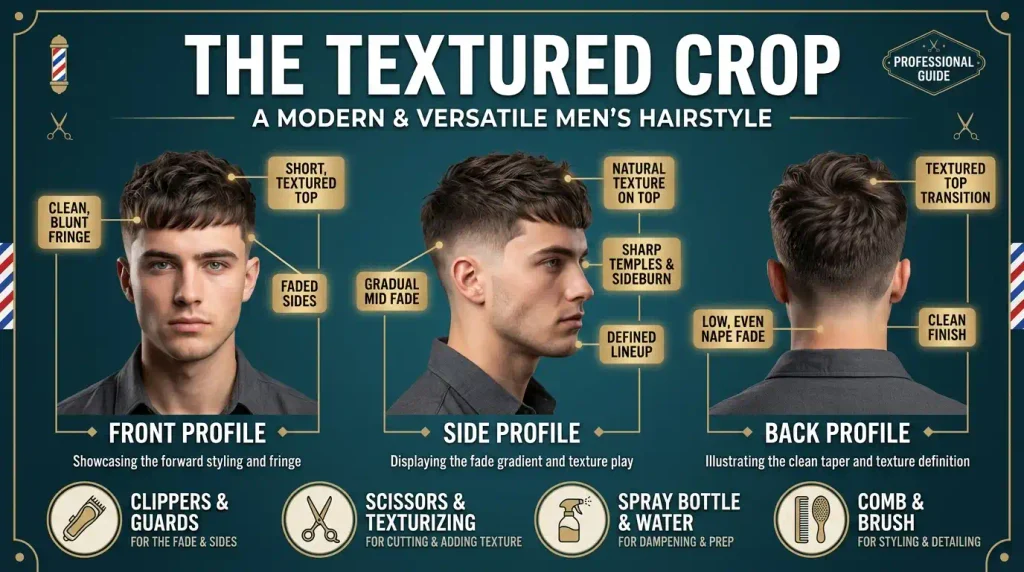
11. Textured Crop
Short, choppy layers fall forward into a blunt fringe. The sides ride a #1 to #3 blend, so the shape stays tight. Thick straight hair is the perfect canvas. Rub a pinch of matte clay between your palms and scrunch it through dry hair.
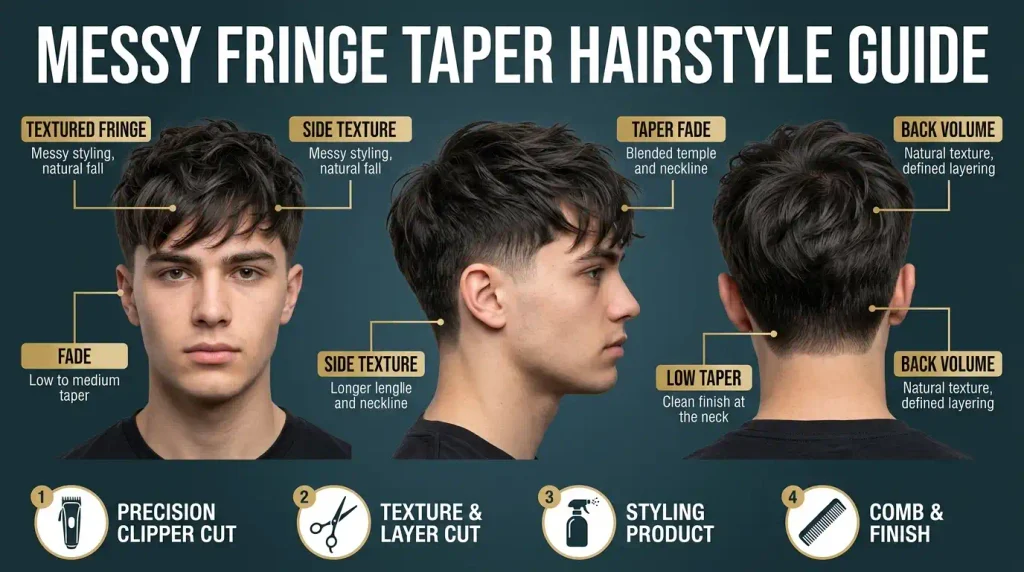
12. Messy Fringe Taper
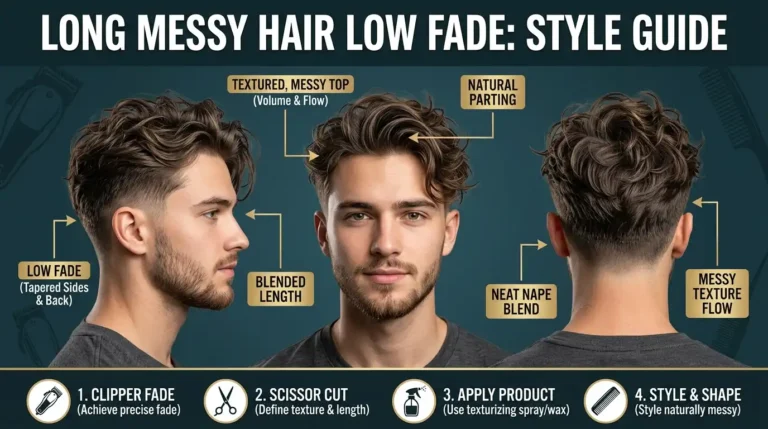
Loose, uneven strands drape across the forehead for a relaxed, lived-in feel. The tidy sides stop it from looking sloppy. Fine to medium hair works well. Mist with sea salt spray, then tousle it with your fingers.
13. French Crop Taper
A short, blunt fringe sits on top of a closely cut, tapered perimeter. It is easy to live with and hides a receding hairline nicely. Straight hair holds the fringe line best. Use a light matte paste for a dry finish.

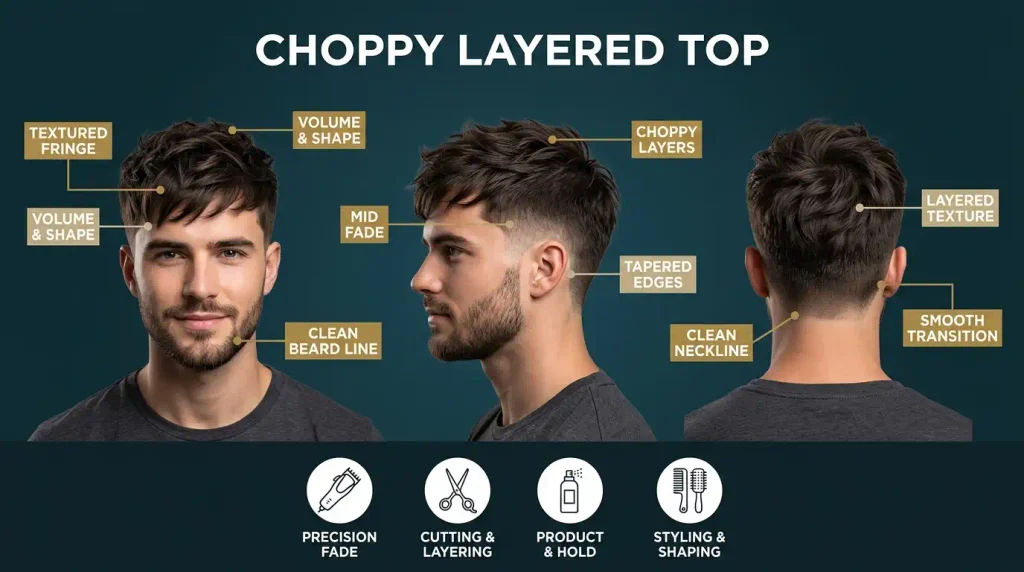
14. Choppy Layered Top
With point cutting, a barber removes weight in small notches to build movement. Pair that with a low taper and the head looks balanced. It suits thick hair that feels heavy. Texture spray gives it grip without stiffness.
15. Spiky Textured Taper
Short pieces point upward in small, defined spikes. A low taper stops the look from feeling too busy. Coarse, straight hair stands up most easily. Rub in a firm wax, then pinch and twist the ends.

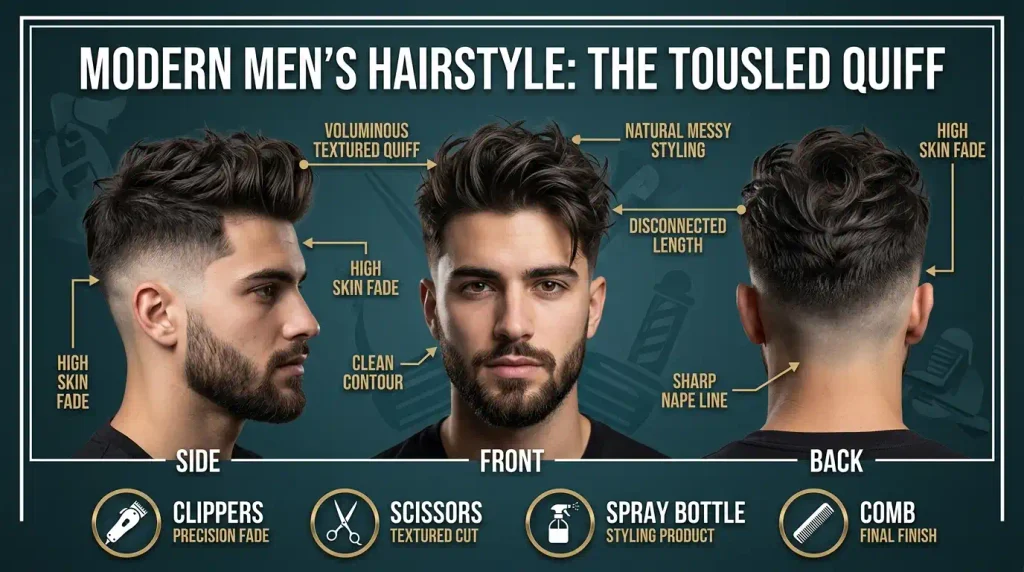
16. Tousled Quiff
The front rises and falls in an easy, wind-blown wave. Because the sides stay snug, the volume looks deliberate. Medium-length straight or wavy hair does best. Dry the top with your fingers and finish with flexible clay.
17. Sea Salt Waves Taper
Beachy waves give the top a soft, salty look, and the low taper keeps the outline neat. It works for hair with a natural bend. Spray sea salt mist on damp hair and let it air-dry for a loose finish.

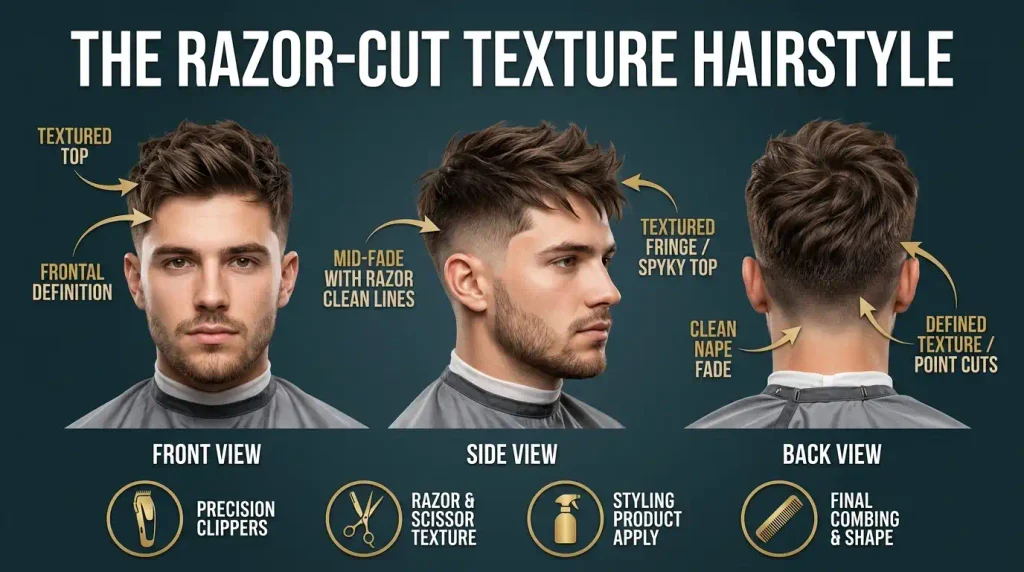
18. Razor-Cut Texture
A barber uses a razor to soften the ends of the top, creating a feathered edge. Paired with a low taper, it reads as modern and light. Thick hair benefits most. Skip heavy products so the feathering stays visible.
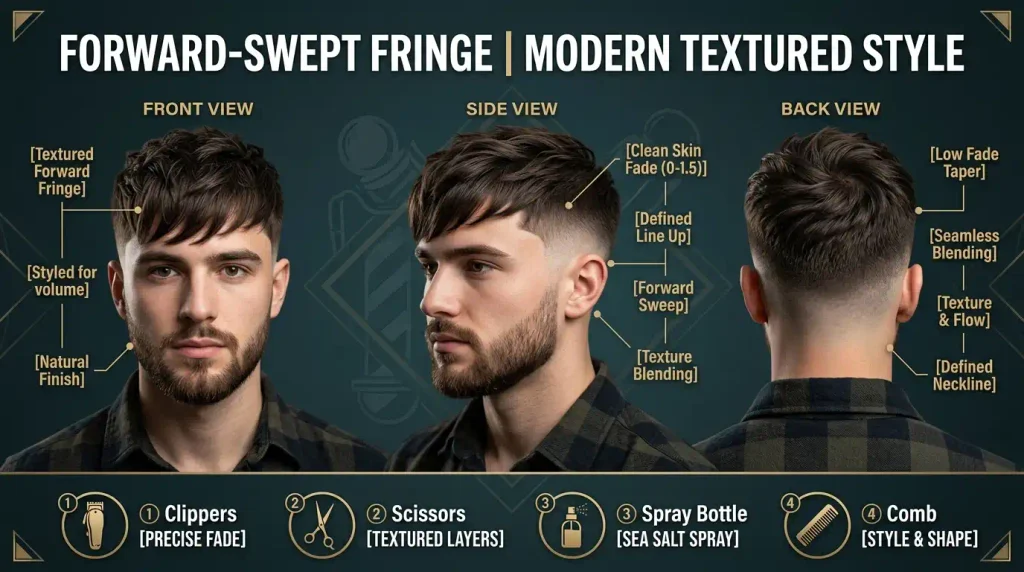
19. Forward-Swept Fringe
Hair on top is pushed toward the forehead and trimmed at a slight angle. The taper remains subtle below it. This idea hides a high forehead well. Apply a bit of matte clay to the roots, then comb it forward.
20. Matte Finish Short Top
No shine, no fuss. The top is cut short with light texture, and the sides fade down gently. Ideal for guys who dislike a product-heavy look. A small amount of dry clay gives a natural, flat finish.

Low Taper Fade Ideas for Curly, Wavy and Coily Hair
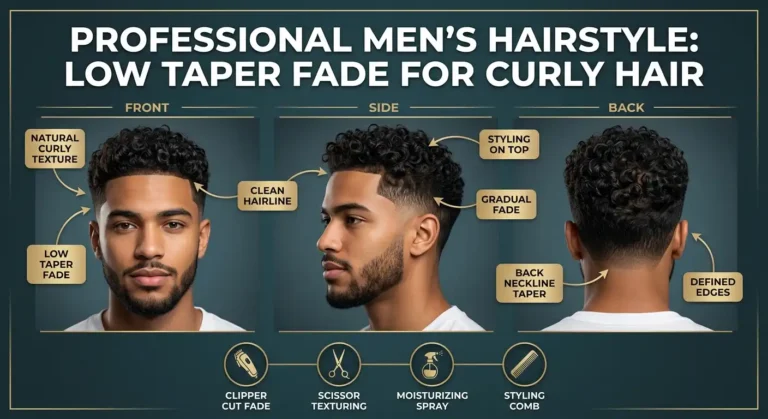
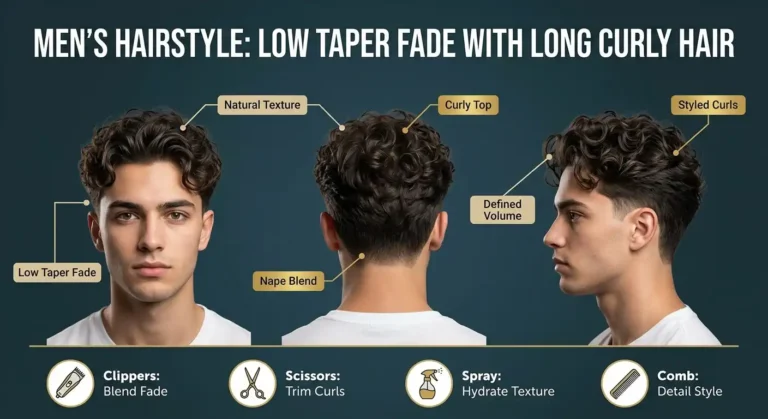
Curls need room to breathe. A low taper clears the bulk at the sides and neckline while leaving the curl pattern on top intact.
21. Curly Top Low Taper
Soft curls sit on top of tidy, tapered sides. The low blend keeps the sides from puffing out, so the shape stays rounded. Hair that curls loosely or tightly both fit. Apply a curl cream to damp hair and scrunch.

22. Curly Fringe
Curls fall forward over the forehead in loose ringlets. The sides stay short, which makes the curls stand out. Medium-length curly hair works best. Use a light curl cream, then diffuse on low heat.

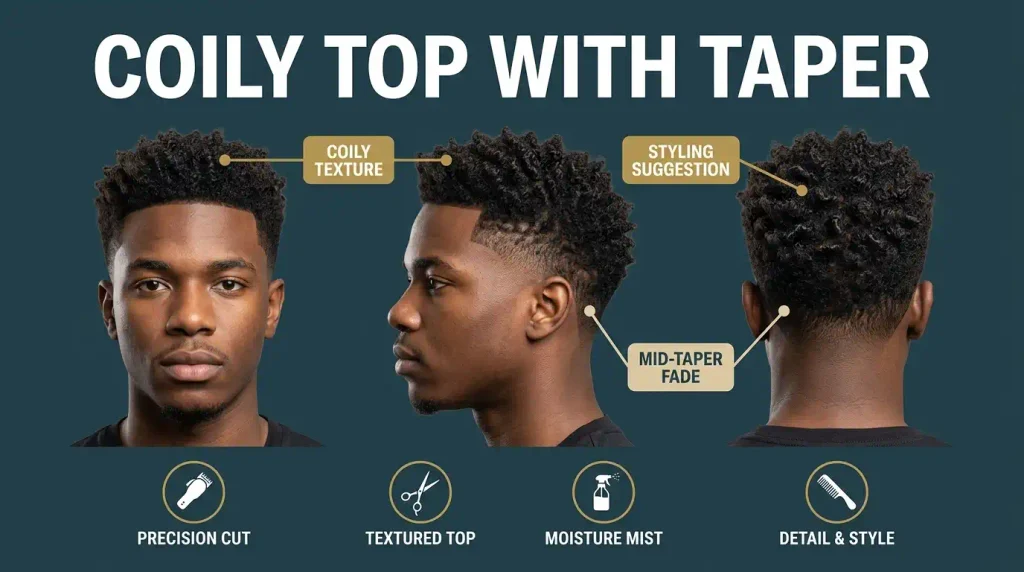
23. Coily Top with Taper
Tight coils on top get a gentle shape-up while the sides taper down. It is clean, simple and easy to maintain. Coarse, tightly coiled hair suits it well. Moisturise with a leave-in conditioner each morning.
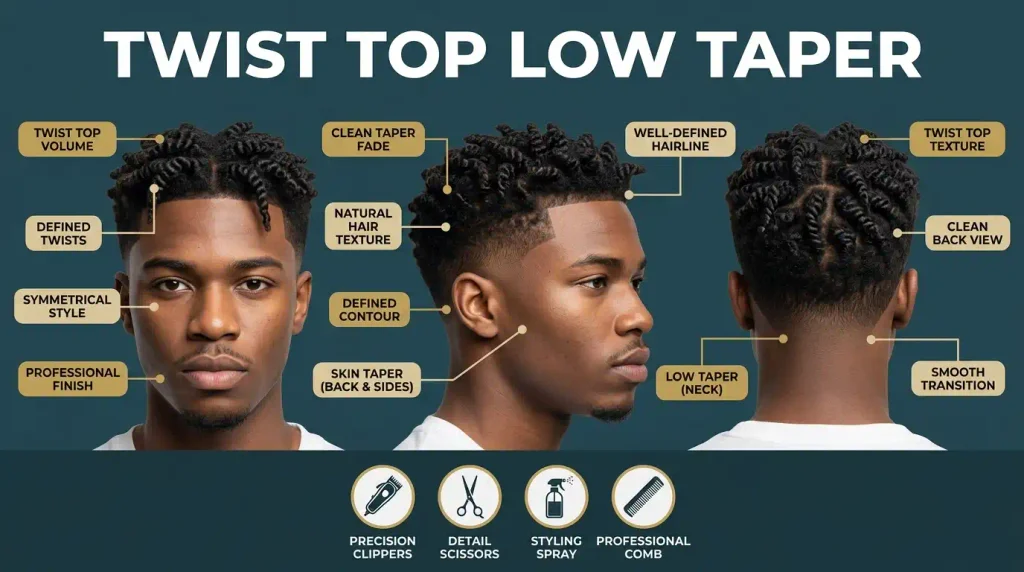
24. Twist Top Low Taper
Two-strand twists run across the top and the low taper frames them. The pairing looks crisp and well planned. Hair of coily texture holds twists easily. Keep the scalp oiled lightly so the twists stay fresh.
25. Wavy Flow with Taper
Loose waves move freely on top while the sides stay trimmed. It looks relaxed but neat. Fine to medium hair with a natural bend does best. A touch of sea salt spray boosts the wave pattern.

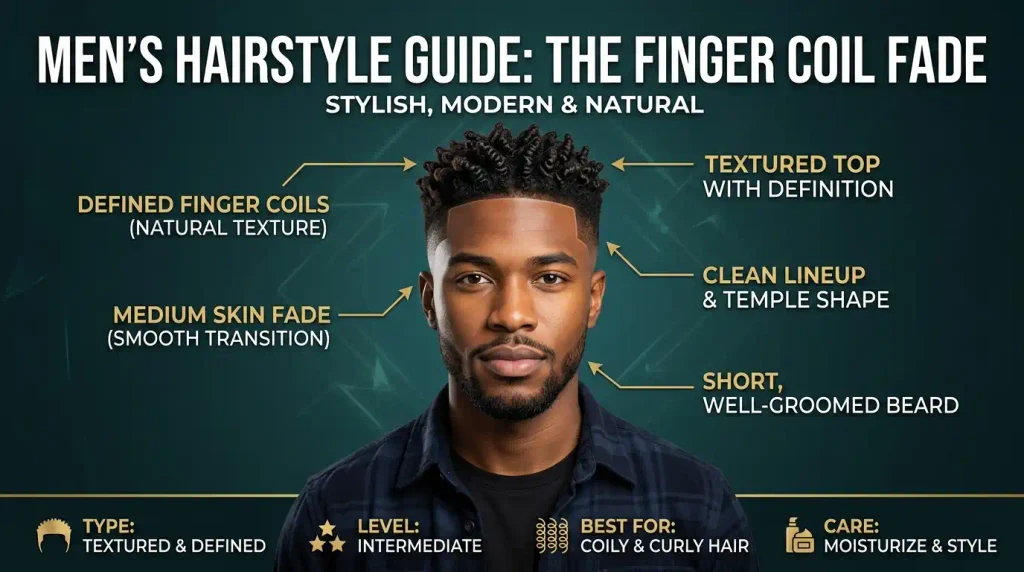
26. Finger Coil Top
Small coils are shaped by hand on the top section. The low taper highlights them by keeping the surroundings clean. Tight coils suit this look. A coil-defining gel and some patience are all you need.
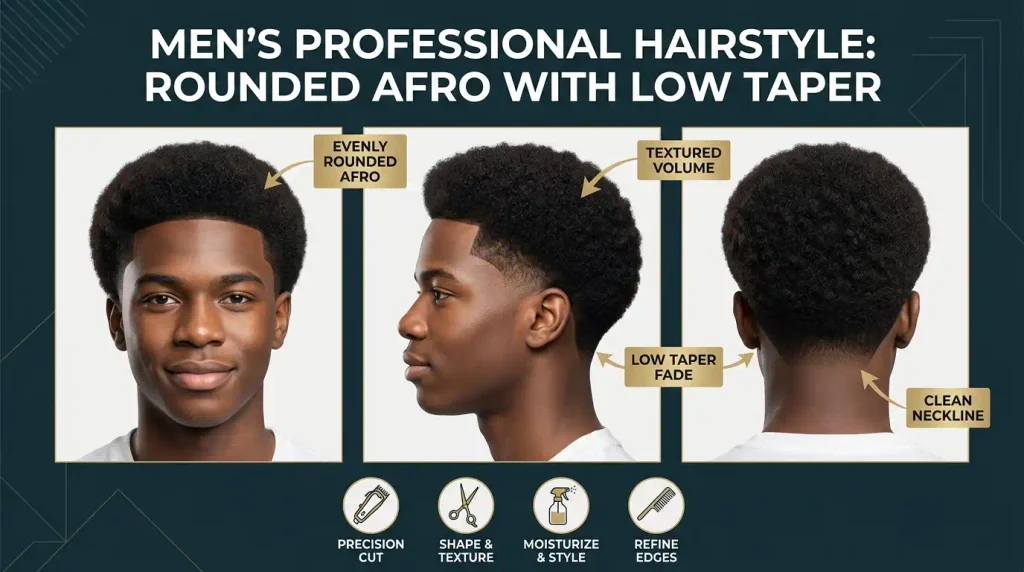
27. Rounded Afro with Low Taper
A full, rounded Afro gets shaped evenly all around, and the taper stays low near the ears and nape. It looks bold and balanced. Highly textured hair is ideal. Pick it out gently and trim monthly to hold the shape.
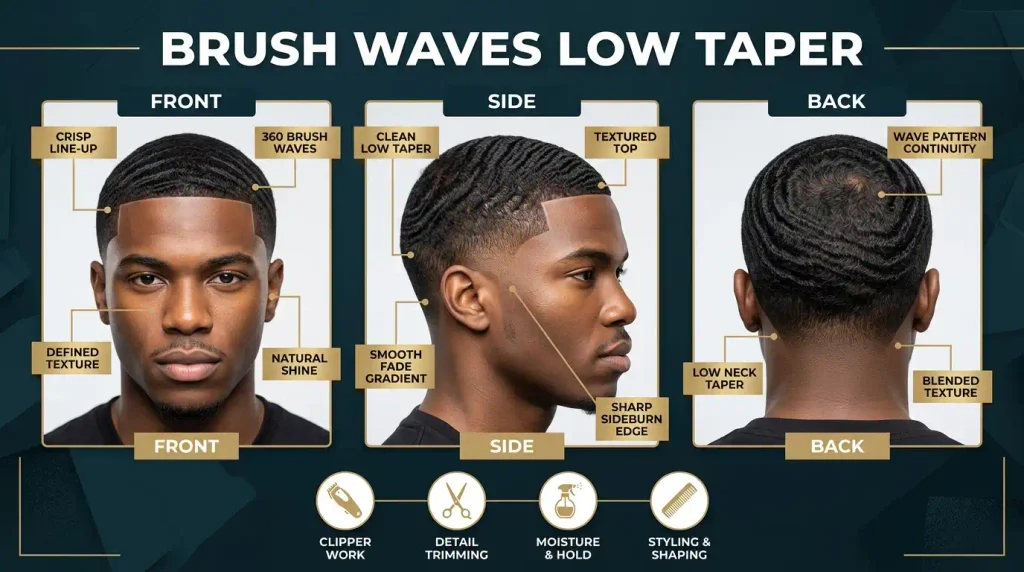
28. Brush Waves Low Taper
Short hair is brushed into deep ripples on top while the sides sit tight. Wave brush and durag habits help here. It fits coarse, short curls best. Use a pomade made for waves and brush in the same direction.
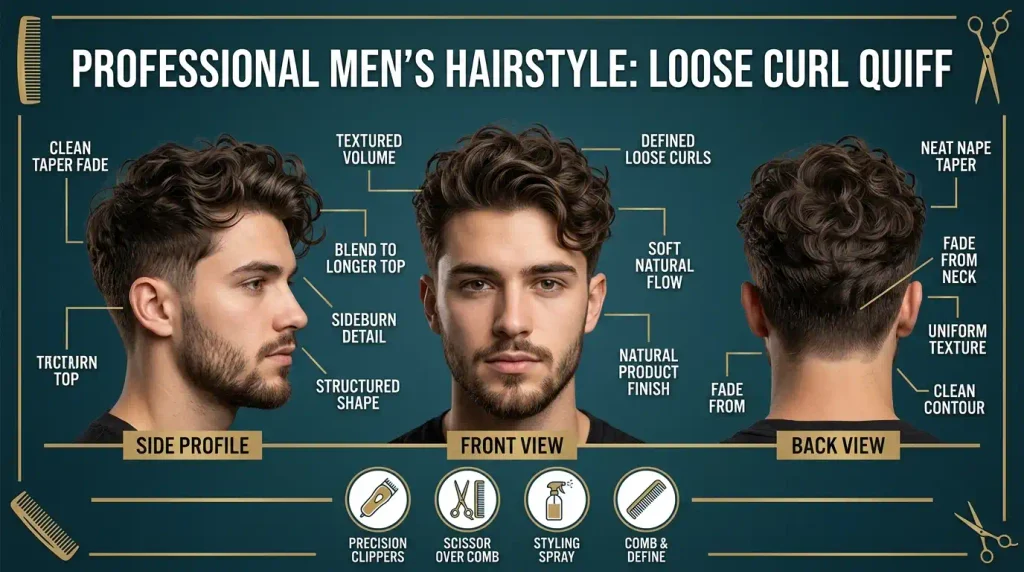
29. Loose Curl Quiff
Bigger, looser curls are lifted off the forehead in a soft quiff. The low taper keeps the sides slim. Medium-length curls work well. Rake a curl cream through and diffuse upward for lift.
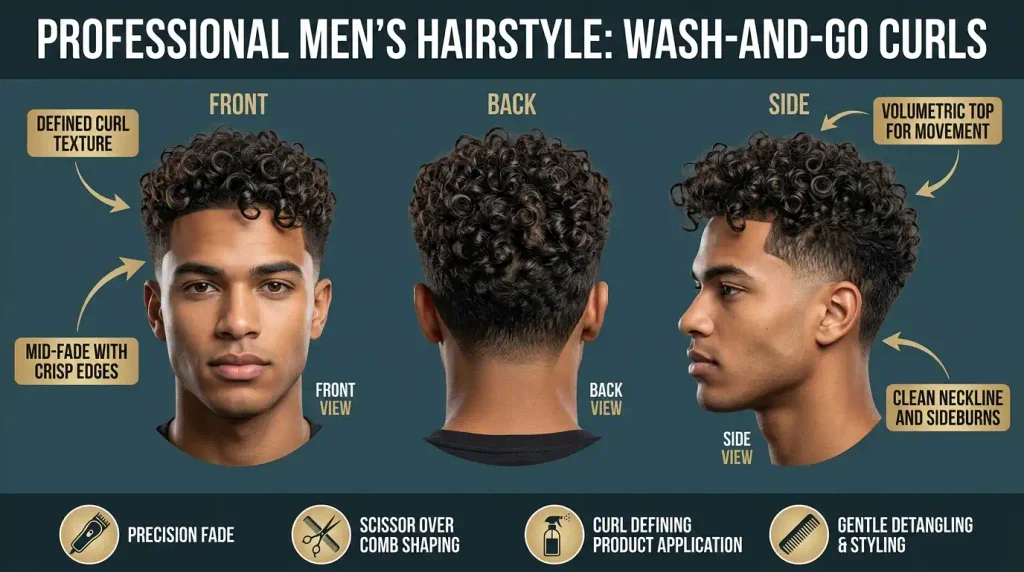
30. Wash-and-Go Curls
This one needs almost no styling. Wash, apply a leave-in, and let the hair dry naturally. The taper does the tidying for you. Looser curls handle it best. Visit your barber regularly to keep the shape neat.
Short, Buzz and Crop Low Taper Styles
Short tops pair beautifully with a low blend. These cuts save time in the morning and still look sharp.
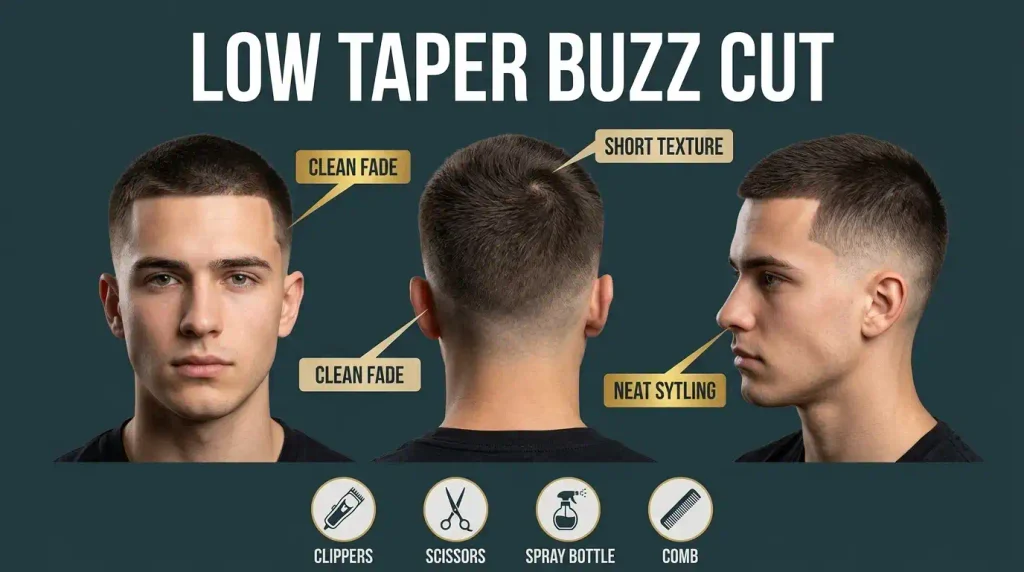
31. Low Taper Buzz Cut
The whole top is clipped to one even length, often a #3 or #4, while the sides blend from a #1 up to a #2. It is fast, clean and forgiving. Every hair type works. No product is needed, just a little moisturiser for the scalp.
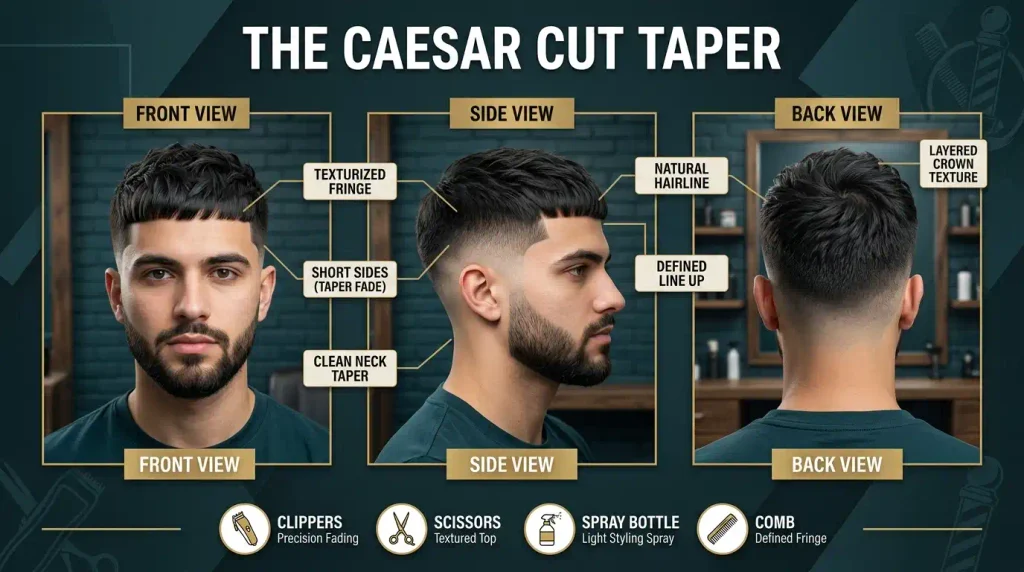
32. Caesar Cut Taper
A short, horizontal fringe sits across the forehead, cut to about the same length all over the top. The taper below keeps it trim. It suits straight hair and softens a receding hairline. Use a pinch of matte paste to hold the fringe.
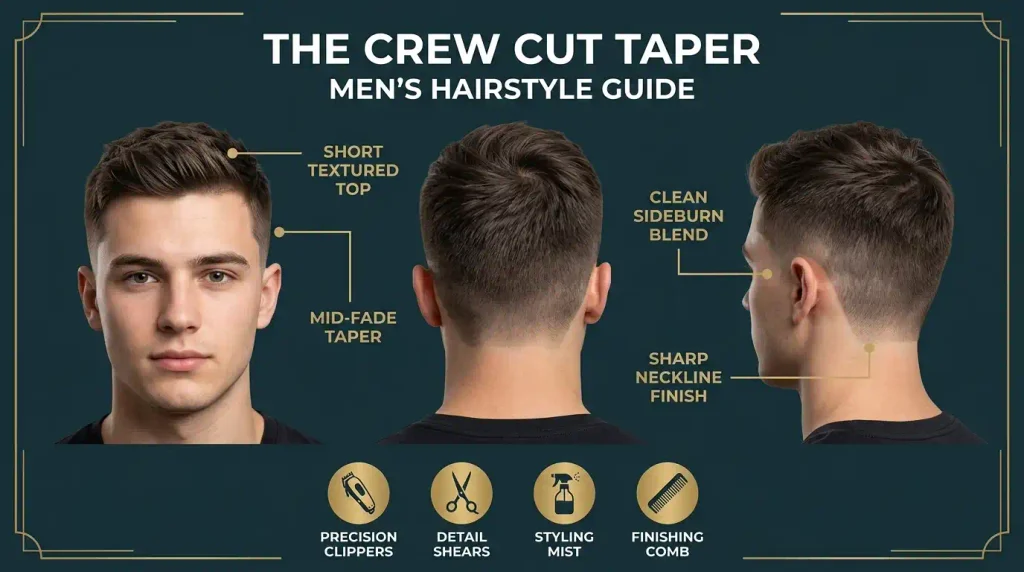
33. Crew Cut Taper
The top is slightly longer at the front and shorter toward the crown. A low blend keeps the sides discreet. Straight and wavy hair both take it well. A bit of light clay adds a little lift without effort.
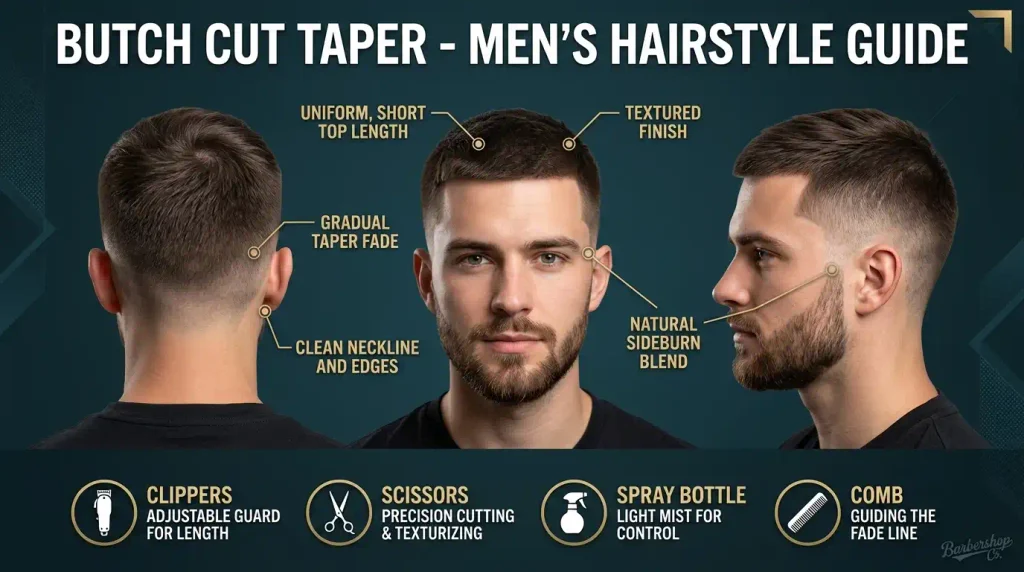
34. Butch Cut Taper
Simple and even, this cut leaves the top at a single short guard, often a #4, with a low taper at the edges. It is rugged yet tidy. Thick hair looks best. Skip product and let the cut speak.
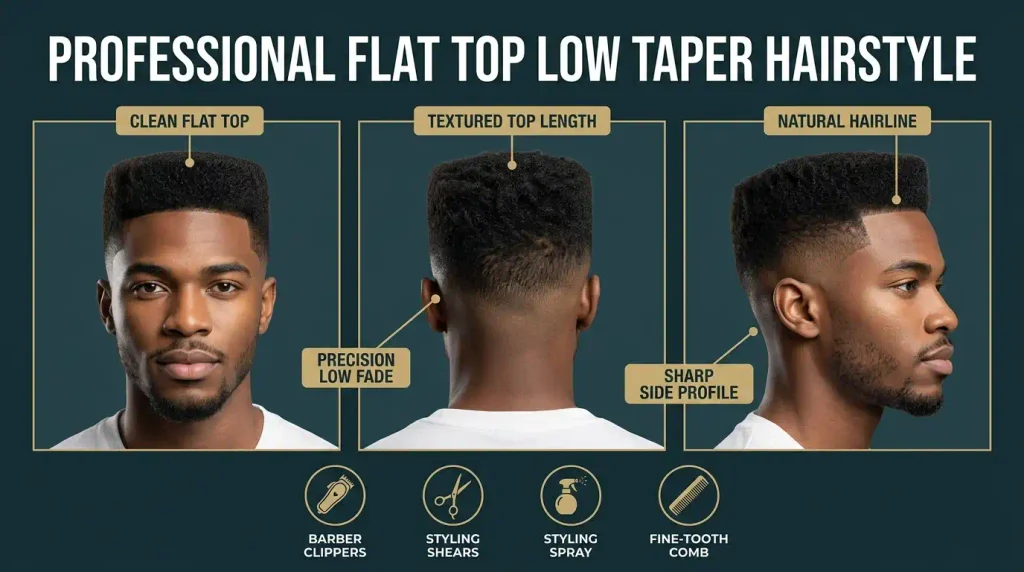
35. Flat Top Low Taper
The top is clipped into a level, boxy shape, with tapered sides beneath. It needs a skilled barber and a steady hand. Coarse, upright hair holds the flat plane. Use a firm wax to keep it standing.
36. Short Textured Buzz
Slightly uneven lengths on top, usually a #3 mixed with scissor work, give a buzz cut some depth. The low taper keeps the outline crisp. It suits fine hair that lacks body. A dab of dry paste adds grit.
37. Mini Fringe Crop
A tiny, cropped fringe sits just above the brow line. The taper keeps the sides tight, so the fringe stands out. Straight hair works best. Apply a touch of matte clay and push the fringe forward.
38. Low Skin Taper Crop
The sides fade all the way down to bare skin at the very bottom, then climb into a short crop. It is a sharper take on the soft taper. Strong jawlines look great with it. Moisturise the skin after each trim.
39. Ultra-Short Natural Taper
The top stays barely longer than the sides, and the blend is almost invisible. Beginners often start here when they want to try a taper. Any hair type fits. Wash and go; no styling steps needed.
Longer Tops and Statement Low Taper Styles
Want more drama? Keep the top long and let the low taper clean up the frame around it.
40. Pompadour with Taper
A tall, swept-back front rises above a slim, tapered side. It stands out without screaming for attention. Thick, straight hair holds the height best. Blow-dry upward with a round brush, then lock it with strong pomade.
41. Long Slick Back
Length on top is combed straight back and smoothed in place. The low taper stops the sides from looking bulky. Medium-to-thick straight hair behaves most easily. Use a flexible pomade to avoid a stiff, helmet-like finish.
42. Low Taper Mullet
Short on the sides, longer at the back, with a tidy blend at the neck. It feels bold but still groomed. Wavy and thick hair look best here. A little curl cream or salt spray gives the back some shape.
43. Soft Mohawk Taper
The centre strip stays longer while the sides taper down gently. Unlike a punk mohawk, this version is subtle. Straight or wavy hair works. A bit of firm paste lets you push the centre up when needed.
44. Medium-Length Flow
Hair on top reaches about ear level and falls naturally. The taper trims the sides without cutting the flow. Straight and wavy hair look relaxed this way. Air-dry with a light leave-in cream.
45. Man Bun with Taper
Tie the long hair up, and the tapered sides frame the bun without bulk. It is practical in summer. Thick, long hair suits it. Use a soft elastic and avoid pulling tightly to protect your hairline.
46. Curtain Fringe Taper
A centre part splits the hair into two soft curtains that fall around the face. The taper keeps the ears clear. Fine, straight hair works best. Use a small amount of light cream to keep it smooth.
47. Shaggy Layered Taper
Layers of different lengths create an easy, tousled shag on top. The sides stay close with a low taper. Wavy and slightly thick hair add movement. Finish with sea salt spray and let it dry naturally.
48. Wolf Cut Taper
The top is cut in messy layers with extra volume at the crown. A low taper around the ears keeps the outline sensible. Wavy hair suits it. Scrunch in a texture cream and finger-dry.
Detail Variations and Add-Ons for a Low Taper Fade
Small extras can change how the cut feels. These details work with almost any top.
49. Beard Blend Low Taper
The beard fades into the sideburn and taper so there is no harsh break. Barbers usually lighten the guard along the cheek. It suits men with medium to full beards. Use beard oil to keep the lines soft.
50. Stubble Fade Blend
A light stubble of a #1 or #2 length sits along the jaw and joins the taper. It looks rugged but neat. Men who dislike full beards enjoy it. Trim it every few days to hold its shape.
51. Crisp Line-Up
The barber outlines the forehead, temples and neckline with a trimmer for a sharp edge. The taper gives the line a soft landing. It works with any top. Ask for a natural hairline to avoid a pushed-back look.
52. Skin Shadow Taper
A hint of skin appears at the very bottom of the taper, then softens upward. It adds contrast without a full skin fade. Dark hair shows it best. Keep the scalp moisturised to avoid dryness.
53. Razor Part Line
A thin line is shaved into the side of the head to mark the parting. Paired with a low taper, it brings out the style. Straight hair benefits most. Keep the part fresh with regular trims.
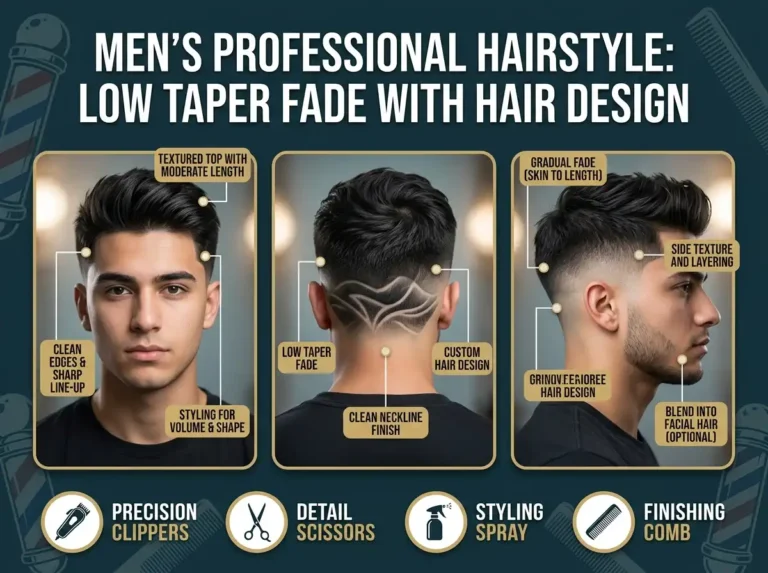
54. Designer Line Accent
A single thin line or small shape is carved at one side of the taper. It adds personality in small doses. Pick a simple pattern so it grows out smoothly. Ask your barber to keep it subtle.
55. Sideburn-Only Taper
Only the sideburns and area around the ears are tapered, leaving the back longer. It is a gentle option for men who dislike short necks. Straight hair does well. Use a small amount of cream on the top.
56. Temple Taper
The taper is focused around the temples and ears rather than all the way around. It cleans up the sides without cutting the back too short. Thick hair benefits from the reduced bulk. A touch of matte clay finishes it.
57. Bleached Top with Taper
Lightened hair on top contrasts with darker, tapered sides. It draws attention to the shape of the cut. Healthy, medium-length hair holds colour well. Use a purple shampoo weekly to tame brassy tones.
How to Ask Your Barber for the Perfect Cut
Clear words save you from a haircut you regret. Show a photo, then say this:
“I’d like a low taper on the sides and back. Start the blend just above the ear and at the nape. Use a #1 at the bottom, then fade up to a #2 or #3 and blend it into the top with clipper-over-comb. Leave the top about two to three inches, textured on the ends.”
Add one of these lines to match your style:
- For a skin version: “Take the very bottom down to the skin and keep the rest soft.”
- For curly hair: “Keep the curl length on top and avoid thinning the curls too much.”
- For a beard: “Blend the sideburn into my beard without a visible line.”
- For a sharp finish: “Clean up the neckline with a natural shape, not a squared-off edge.”
How This Cut Compares to Other Taper and Fade Options
Use this table to see how the cut stacks up against its close relatives.
| Cut | Where the Blend Starts | Typical Guard Range | Best Face Shapes | Styling Difference |
| Low taper on the sides | Just above the ears and nape | #1 to #3 | Oval, round, square | Soft, subtle, easy to grow out |
| Mid taper | Around the temple level | #0 to #3 | Oval, heart | Cleaner, slightly more contrast |
| High taper | Near the top of the head | #0 to #2 | Square, long | Bold, stronger contrast |
| Low skin fade | Low, down to bare skin | #0 or foil to #3 | Oval, square | Sharper, shows skin at the bottom |
| Drop fade | Curves behind the ear | #0 to #3 | Round, oval | Curved line that follows the head |
| Burst fade | Around the ear only | #1 to #3 | Oval, round | Fades in a semicircle, back stays longer |
Why This Cut Works and Who It Suits
A low taper fade on the sides removes bulk where hair tends to flare out, yet it keeps enough length to look natural. That balance is why it suits so many people. It is the safest step up from a plain scissor cut.
This blend works on straight, wavy, curly and coily hair. It suits office workers who want a neat look and students who want something simple. It also grows out kindly, so a late visit does not ruin the shape.
How to Style This Low Taper Every Morning
Good styling takes about five minutes once you know the routine. Follow these steps for most of the looks above.
- Start with clean, towel-dried hair so product spreads evenly.
- Apply a pre-styler or leave-in if your hair is fine, curly or dry.
- Blow-dry the top in the direction you want it to sit.
- Warm a small amount of product between your palms.
- Work it through from the roots to the tips, not just the surface.
- Shape the front with your fingers or a comb.
- Check the sides in a mirror and smooth any stray hairs.
Step-by-Step Tutorial: Cutting a Low Taper at Home
Home cuts take practice, so start with a longer guard than you think you need. You can always go shorter, but you cannot add length back.
Tools You Will Need
- A good corded or cordless clipper
- Guards from #1 to #4
- A detail trimmer for the neckline and ears
- Barber shears and thinning shears
- A fine-tooth comb and a cutting comb
- A spray bottle, cape and neck duster
- Two mirrors, so you can see the back
Cutting Steps
- Comb the hair out and section off the top with a clip.
- Start at the nape with a #2 or #3 guard, moving upward to about ear height.
- Drop to a #1 for the very bottom, keeping the line soft and gradual.
- Switch back to a longer guard and blend upward using clipper-over-comb.
- Use a trimmer to clean around the ears and sideburns without carving a hard line.
- Cut the top to your chosen length with shears and point cutting for texture.
- Brush away loose hair and check the blend from several angles.
Best Styling Products for a Low Taper
The right product depends on your hair type. A few well-chosen items are enough.
- Matte clay: Gives a dry, natural hold for textured and short styles.
- Sea salt spray: Adds grip and a beachy feel to fine or wavy hair.
- Curl cream: Defines curls and reduces frizz on curly and coily hair.
- Water-based pomade: Works for slick and side-swept styles and washes out easily.
- Light leave-in conditioner: Keeps thick, dry hair soft and manageable.
Best Hair Types and Face Shapes
Hair type changes how the cut behaves. Face shape changes which version flatters you most.
Hair types:
- Straight hair: Holds sharp lines well, so try crops, side parts and slick styles.
- Wavy hair: Looks best with a little length and light texture on top.
- Curly hair: Needs a top long enough to show the curl pattern.
- Coily hair: Responds well to shaped tops, twists and clean edges.
- Fine hair: Prefers short, textured styles with a dry-finish product.
Face shapes:
- Oval: Almost any version works, so choose by hair type.
- Round: Add height on top and keep the sides slim.
- Square: Soft textured tops balance a strong jaw.
- Long: Avoid too much height and try a fringe or a side-swept top.
- Heart: A medium-length top with a gentle taper adds balance.
Step-by-Step Barbering and Upkeep Guide
A low taper stays fresh for a while, but it still needs regular care. Most men visit the barber every two to four weeks. Shorter, sharper versions need visits closer to two weeks, while longer tops stretch toward four.
Between visits, follow these simple habits:
- Wash your hair two to four times a week with a mild shampoo.
- Use a conditioner or leave-in suited to your hair type.
- Trim the neckline lightly if you have a steady hand and a trimmer.
- Moisturise the scalp if the skin looks dry.
- Replace worn guards and clean your clippers after each use.
- Take a fresh photo of the cut each time and show it to your barber next visit.
Common Mistakes to Avoid
- Asking for “just a fade”: The barber may choose a mid or high blend you did not want.
- Starting too high: A taper that rises above the ear loses its soft look.
- Using too much product: Heavy product weighs the top down and hides the shape.
- Skipping regular trims: The blend softens fast, and a neglected cut looks messy.
- Ignoring your hair type: A style that works on straight hair may not work on curls.
- Forgetting the neckline: A rough back edge ruins an otherwise clean cut.
Frequently Asked Questions
What is a low taper fade on the sides?
It is a haircut where the sides and back gradually shorten, starting just above the ears and nape. The blend stays low, so more length remains on the sides than with a mid or high fade.
How often should I get a low taper trimmed?
Most men go every two to four weeks. Skin versions and very short tops need visits closer to two weeks, while longer styles like the Pompadour with Taper (#40) can stretch toward four.
Is a low taper fade good for thin hair?
Yes. Short, textured tops such as the Textured Crop (#11) add the look of fullness. A dry-finish clay or powder helps thin hair look thicker.
What guard numbers do barbers use for this cut?
Common choices are a #0 or #1 at the nape, blending up through a #2 and #3. The exact numbers depend on how short and sharp you want the sides.
Can curly hair get a low taper fade?
Absolutely. The Curly Top Low Taper (#21) keeps the curls on top while the sides stay neat. Ask your barber not to over-thin the curls so the pattern stays defined.
What is the difference between a low taper and a low fade?
A taper leaves more length at the shortest point and blends softly. A fade usually goes shorter, often down to the skin. A low taper is the gentler of the two.
Is this style appropriate for work and interviews?
Yes. It is one of the most conservative fade choices, and the Classic Business Taper (#1) is a safe pick for formal settings.
Can I cut a low taper myself at home?
You can try, but start with longer guards and go slowly. Using clipper-over-comb takes practice, so many men leave the neckline and ears to a barber.
Conclusion
A low taper fade is a simple way to look clean without committing to a high-maintenance cut. With 57 ideas to choose from, there is a version for almost every hair type, face shape and schedule. Save your favourite looks, show them to your barber, and use the script above. Book your next visit with confidence.
Related Reading
Want to go deeper on one part of this cut? These guides pick up where this list leaves off.
- Taper vs fade: what really changes
- Step-by-step guide to doing a taper fade
- Low taper fade ideas for curly hair
- Low taper styles for short hair
- Low taper with a fringe on straight hair
- Textured taper haircut ideas
- Low taper designs and line patterns
- Mullet with a low taper
Name: Ryan Cole
Role: Lead Grooming Editor, TaperHaircutGuide.com
Bio angle: Men’s grooming/style content researcher — 4+ years covering barbering trends, hairstyling terminology, and men’s style content for US audience. Cross-checks every guide with practicing barbers before publishing.
One Comment